

Brake Pads, The Good & The Bad

Motorcycle brake pads are one of the most critical components for rider safety. They control how quickly and smoothly you can stop, which can make the difference between avoiding a hazard and a serious accident. Despite their importance, many riders overlook brake pads until they start to fail. Understanding the good and bad aspects of brake pads helps you make smarter choices for maintenance and replacement.
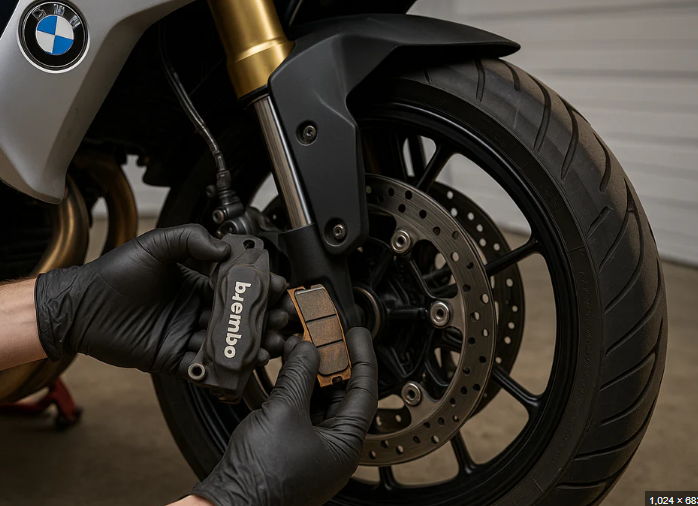
Why Brake Pads Matter
Brake pads press against the brake disc to create friction, slowing down the wheel. This friction generates heat and wears down the pads over time. If pads wear too thin, braking performance drops sharply, increasing stopping distance and risking brake failure. Good brake pads provide consistent stopping power, resist fading from heat, and last through many miles of riding.
Choosing the right brake pads affects your bike’s safety and your confidence on the road. Pads that wear out too quickly or produce uneven braking can cause instability, especially in wet or emergency conditions. Regular inspection and timely replacement keep your brakes responsive.
Types of Motorcycle Brake Pads
Brake pads come in several materials, each with pros and cons:
Organic (Non-metallic)
Made from fibers and resins, organic pads offer quiet braking and gentle wear on rotors. They perform well in normal conditions but wear faster and fade under heavy braking.
Sintered (Metallic)
These pads contain metal particles fused under heat and pressure. They last longer and handle heat better, making them ideal for aggressive riding or heavy bikes. However, they can be noisy and wear rotors faster.
Semi-metallic
A mix of organic and metallic materials, semi-metallic pads balance performance and durability. They offer good stopping power and moderate rotor wear.
Ceramic
Ceramic pads provide smooth, quiet braking with low dust. They resist heat well but tend to be more expensive and may not suit all riding styles.
Knowing these types helps you pick pads that match your riding habits and conditions.
Signs of Brake Pad Problems
Ignoring brake pad wear can lead to dangerous situations. Watch for these warning signs:
Squealing or grinding noises when braking
Reduced braking power or longer stopping distances
Brake lever feels soft or spongy
Visible thinning of brake pads below 2-3 mm thickness
Vibrations or pulsations when applying brakes
If you notice any of these, inspect your pads immediately or visit a mechanic. Replacing pads before they wear out completely protects your rotors and maintains safe braking.

How to Choose the Right Brake Pads
Selecting brake pads depends on your motorcycle type, riding style, and environment:
For commuters and casual riders, organic or semi-metallic pads offer smooth, quiet braking with good lifespan.
For sport riders or racers, sintered pads provide strong, consistent stopping power under high heat.
For touring or heavy motorcycles, sintered or semi-metallic pads handle the extra weight and braking demands.
For riders wanting low dust and quiet operation, ceramic pads are a good choice but check compatibility with your bike.
Also, consider pad thickness and manufacturer recommendations. Using pads designed for your specific brake system ensures proper fit and performance.
Maintaining Brake Pads for Safety and Longevity
Proper maintenance extends brake pad life and keeps braking reliable:
Regularly inspect pads for wear and damage every few thousand miles or during tire changes.
Keep brake discs clean from dirt and oil to prevent uneven pad wear.
Avoid riding with worn pads as it can damage rotors and increase repair costs.
Replace pads in pairs on the same axle to maintain balanced braking.
Break in new pads by gently applying brakes during the first 100 miles to ensure proper surface contact.
Routine checks and timely replacements prevent sudden brake failure and costly repairs.

Common Mistakes to Avoid

Many riders make errors that reduce brake pad effectiveness:
Waiting too long to replace worn pads
Using cheap, low-quality pads that wear quickly or perform poorly
Mixing different pad materials on front and rear brakes
Ignoring brake fluid condition, which affects overall braking
Overlooking rotor condition, which impacts pad wear and braking smoothness
Avoid these mistakes by following manufacturer guidelines and consulting professionals when unsure.
p/s: Were able to do it on-site too! For Pricing - click on the link https://whatsform.com/put-time-put-place


Comments